

───── BRISBANE · GOLD COAST · FACE-TO-FACE & ONLINE
Support for trauma,
anxiety and depression.
Trauma-informed counselling for individuals, couples and children. We work with the emotional, physical and relational effects of distress, with attention to safety, personal choice and the Chinese cultural context. Sessions are conducted in Mandarin.
Gold Coast • Brisbane • Online
Wendy Wang, MACA

01 Safety and stabilisation | 02 A collaborative pace | 03 Mandarin counselling | 04 Emotional and relational repair
COUNSELLING SERVICES
Individuals. Couples. Children.
Three areas of support, with a shared focus on trauma, anxiety and depression. The work is adapted to your developmental stage, relationships, current capacity and goals.
You do not need a diagnosis or a complete account of the past to make an enquiry. We begin by understanding your current needs.
INDIVIDUALS
Individual counselling
Understanding persistent distress and the patterns that keep it going.
Support with complex and relational trauma, anxiety, depression, shame and persistent self-criticism. We explore how past experiences, present pressures, body responses and coping patterns interact, including when you feel constantly on guard, emotionally overwhelmed or disconnected.
Trauma & attachment
Anxiety & depression
Regulation & self-worth
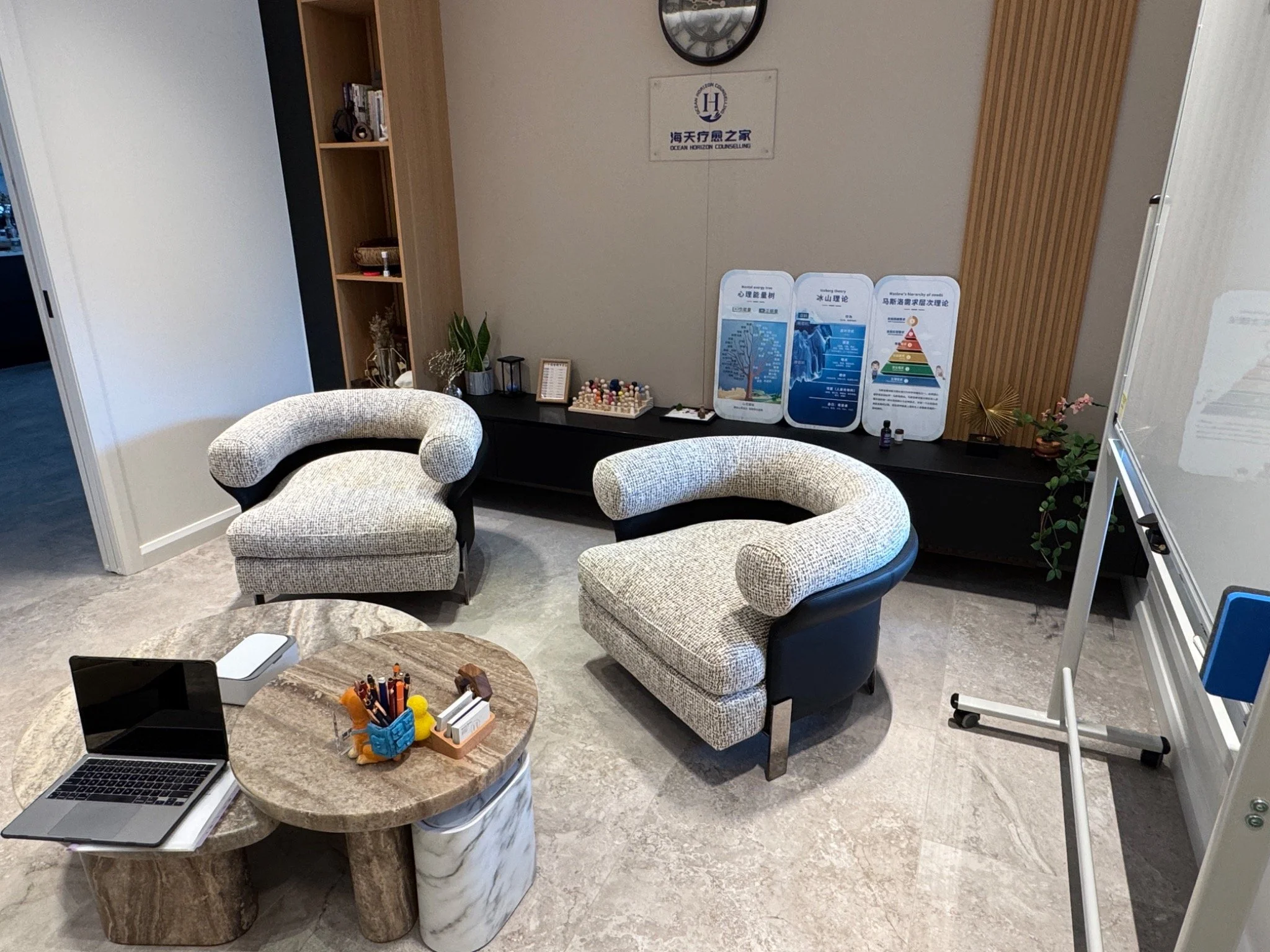
Inside the Ocean Horizon Counselling studio
-
An initial assessment considers your history, current symptoms, day-to-day functioning, safety and available support. We work towards a shared understanding of triggers and maintaining patterns, such as rumination, avoidance, withdrawal or taking excessive responsibility in relationships.
Work may include grounding, emotional regulation, examining self-beliefs, recognising protective responses and developing practical boundaries. EMDR or deeper trauma work is considered collaboratively after assessment and preparation. Progress is reviewed through changes in your experience, relationships and daily functioning.
COUPLES
Couples counselling
Working with emotional disconnection, recurring conflict and injuries to trust.
Trauma histories, anxiety and depression can affect how partners experience closeness, conflict and emotional safety. We explore the cycle between you, including criticism, pursuit, defensiveness and withdrawal, while making space for each person’s needs, boundaries and responsibility.
Attachment & connection
Conflict & withdrawal
Trust & repair
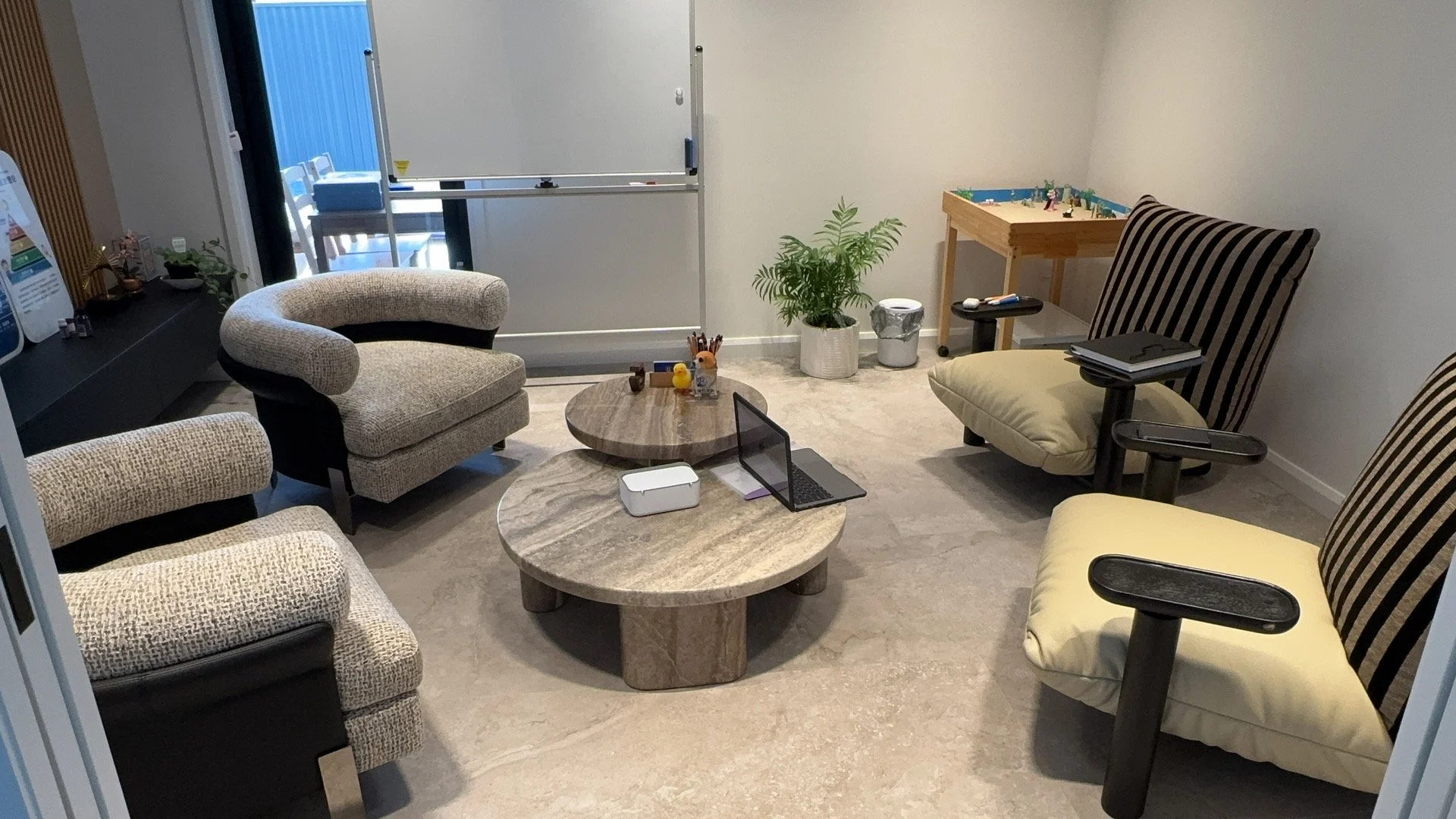
The room used for in-person conversations
-
Gottman and emotion-focused work may help you recognise escalation, understand the vulnerable emotions beneath conflict and practise clearer expression, listening and repair. The work considers how distress and protective responses influence the relationship without reducing either person to a label.
Safety and power differences are assessed before joint work. Coercion, control, violence or fear may make couples counselling unsuitable. Understanding a shared pattern does not mean equal responsibility for harmful behaviour, and any work towards repair must respect each person’s choices.
CHILDREN
Children’s counselling
Helping children express distress in ways that fit their development.
Support for children experiencing anxiety, persistent sadness, emotional overwhelm or the effects of distressing experiences. We consider behaviour alongside feelings, body responses, relationships and the child’s environment, with attention to what the child can understand and communicate.
Trauma & emotional distress
Play & sand tray
Caregiver involvement
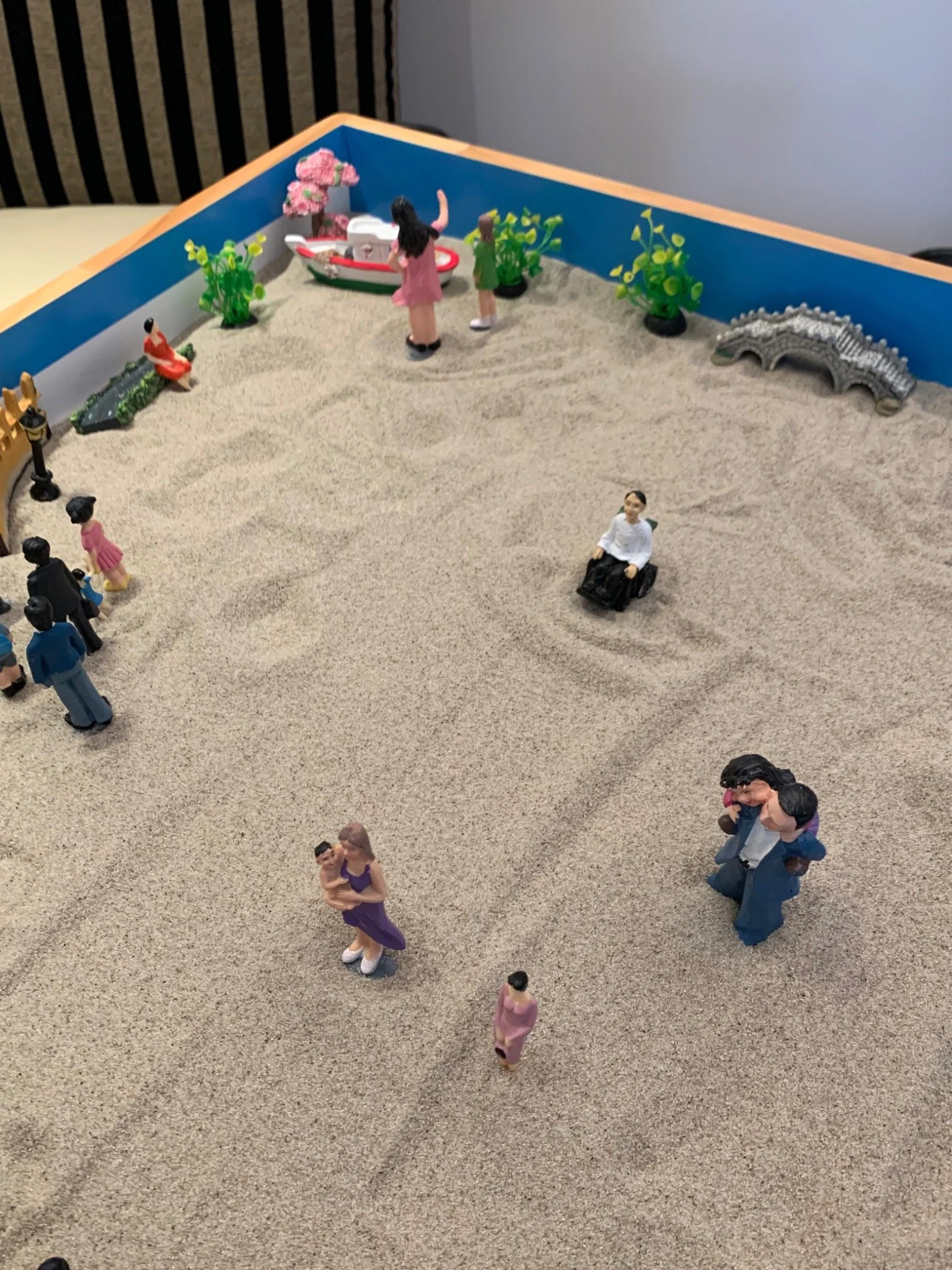
Sand tray and expressive materials used in the practice
-
Age-appropriate conversation, play and sand tray work may offer ways to explore feelings and experiences when words are difficult. The emphasis is on connection, emotional regulation, expression and a growing sense of choice. Play is explored with curiosity; a scene or behaviour alone is not treated as a diagnosis.
Assessment includes the child’s developmental needs, current safety and support at home. Caregiver involvement, consent, the child’s assent and confidentiality boundaries are discussed before work begins. Where appropriate, caregivers are supported to respond to distress and strengthen emotional connection.
HOW I WORK
A thoughtful process, shaped around you.
We connect an understanding of your concerns with practical work in and between sessions. The following areas guide trauma-focused counselling; they are adapted to your needs and may be revisited as circumstances change.
01
Understand your situation
Explore current difficulties, earlier experiences, safety, strengths and the patterns affecting daily life.
02
Develop steadiness and support
With your agreement, consider painful experiences and protective patterns at a pace that remains manageable.
03
Explore deeper work when ready
Practise ways to notice and regulate distress, strengthen resources and make room for choice.
04
Bring changes into everyday life
Practise boundaries, communication and new responses; review progress and decide on next steps together.
This is a flexible framework, not a fixed programme. We may return to stabilisation or practical support whenever needed. You do not have to disclose everything or proceed with trauma processing to benefit from support.
Approaches we may draw on
The approach is selected with you, following assessment and discussion. Open a method below to learn how it may be used.
-
Understanding how experiences of threat, neglect or relational injury may shape vigilance, emotional overwhelm, disconnection and expectations of others. The work attends to safety, trust, boundaries and your capacity to make choices in the present.
-
Exploring protective responses such as self-criticism, avoidance, emotional shutdown or people-pleasing, and the needs beneath them. Parts-based work offers a way to approach internal conflict, shame and earlier unmet needs with curiosity and less self-attack.
-
Exploring worry, rumination, avoidance and self-beliefs that can maintain anxiety and depression. Cognitive and behavioural work is combined with attention to personal meaning, strengths and agency, supporting realistic changes in daily life.
-
For children, developmentally appropriate play and symbolic materials can provide another way to explore difficult experiences and emotions. The work follows the child’s pace, with meaning explored collaboratively and no conclusions drawn from a scene alone.
-
EMDR may be considered for distress linked to painful memories and present triggers. History-taking, suitability assessment and preparation come before memory processing. Readiness, pacing and the capacity to remain sufficiently grounded are reviewed throughout.
-
Tracking body signals and recognising shifts into high arousal or numbness. Grounding, orienting, pacing and resource-building are used to develop awareness and regulation in manageable steps, alongside attention to the situations that trigger distress.
-
For couples, understanding how distress and attachment needs influence conflict and withdrawal. The focus includes emotional responsiveness, communication, boundaries and repair, while maintaining attention to safety and individual accountability.
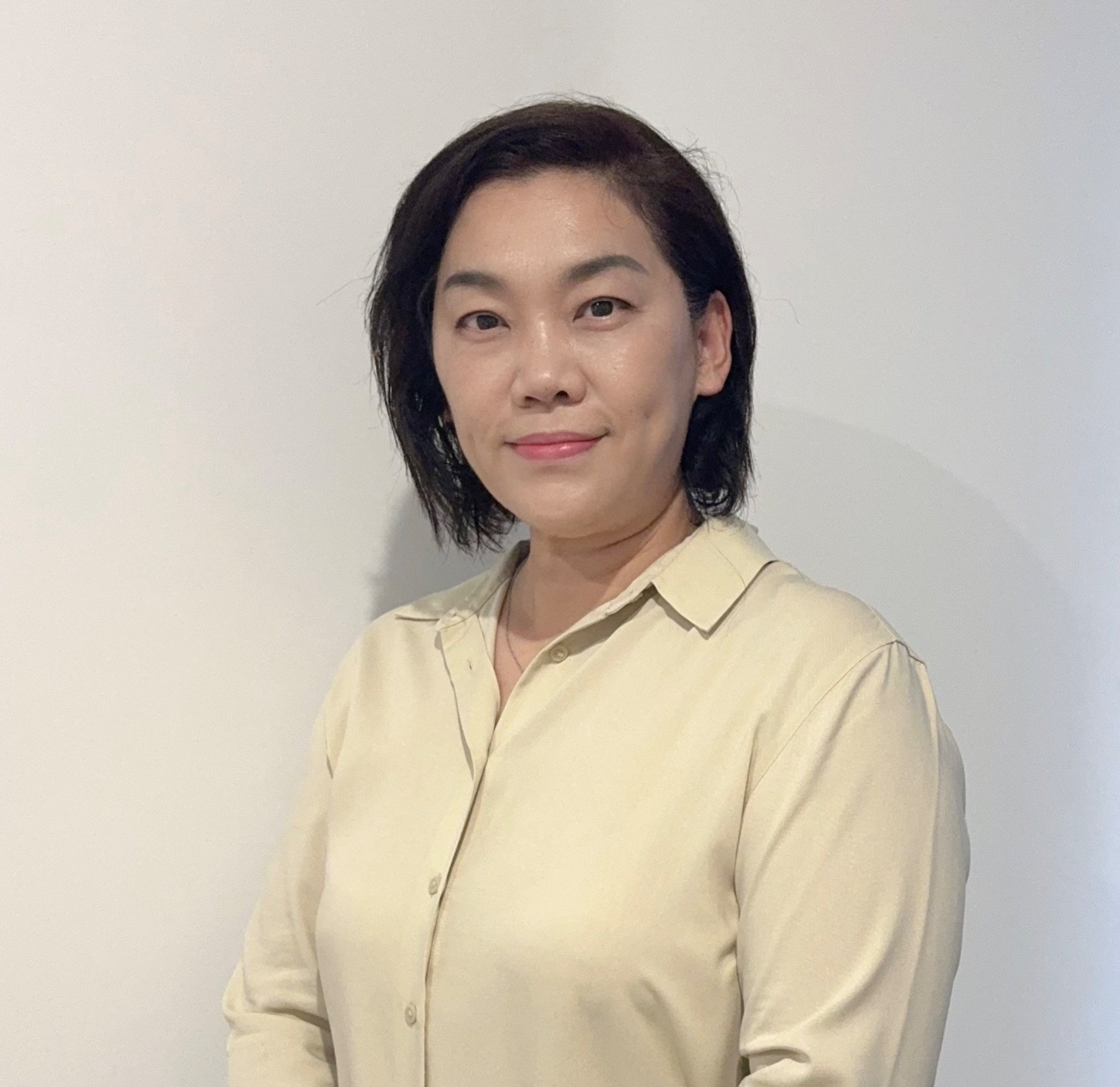
ABOUT WENDY
Nearly 15 years in psychology. A culturally informed approach.
I’m Wendy Wang, an ACA Level 3 Registered Counsellor and MACA member. I bring nearly 15 years of experience in the field of psychology to my work with Chinese individuals, couples and children. I offer counselling in Mandarin and English.
My focus is complex and relational trauma, anxiety, depression and the patterns that affect self-worth and connection. I work with emotional and body responses, protective patterns, attachment and the cultural meanings carried within families.
We develop an understanding of your difficulties together and review what is helpful as the work unfolds. My experience in crisis intervention and community mental health also informs careful attention to safety, professional boundaries and referral.
Master's degrees in Mental Health and Counselling
Australia
AU
Bachelor's degrees in Psychology and Education
New Zealand
NZ
Professional training
EMDR
Level 1 and Level 2 training
CPTSD
Training in complex trauma
Gottman Method
Level 1 and Level 2 training
IFS
Internal Family Systems training certificate
YOUR FIRST SESSION
You do not need to have it all worked out.
Knowing what happens next can make the first step feel less uncertain.
01
Make a brief enquiry
Contact me by email or phone with the type of support you are seeking, your preference for online or in-person sessions and suitable times. Sessions are available in Mandarin and English; a detailed personal history is not needed in your first message.
02
Understand the arrangements
A first session explores current concerns, their impact, existing support and what you hope to gain. You do not need to share every detail at once.
03
Begin with what matters now
Before confirming, discuss suitability, session length and fees, payment and rescheduling arrangements, informed consent and confidentiality boundaries.
04
Decide on next steps together
We discuss direction and frequency in light of your goals, needs and circumstances. You can give feedback, adjust, pause or discuss other support and referral options.
IN PERSON
Gold Coast
Please enquire about the location and available times before confirming your appointment.
IN PERSON
Brisbane
Please enquire about the location and available times before confirming your appointment.
ONLINE
From a space that suits you
A private, quiet space and stable connection are needed. Suitability and arrangements relating to your location are discussed before booking.